Medical Massage
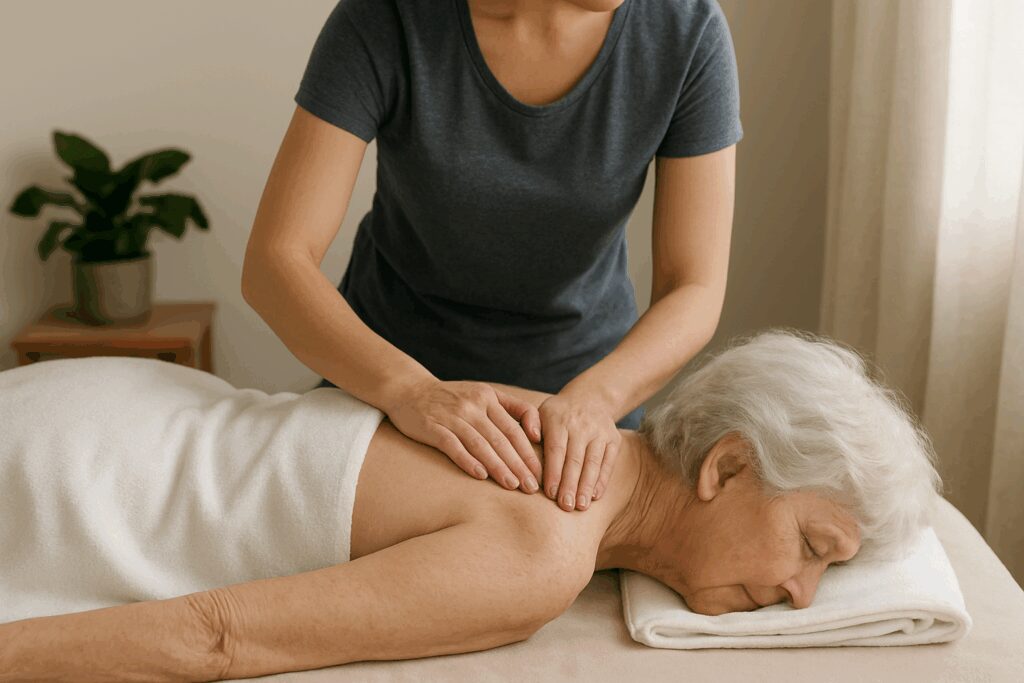
Medical massage is a specialized form of massage therapy that goes beyond simple relaxation. Unlike wellness or spa massage, which focuses on reducing stress and promoting general well-being, medical massage is outcome-based and tailored to address specific health concerns. It is often prescribed or recommended as part of a broader treatment plan to support recovery from injuries, manage chronic conditions, restore mobility, or improve functional movement patterns.
What truly distinguishes medical massage is its clinical foundation. Each session begins with assessment — evaluating posture, range of motion, muscle tone, movement mechanics, and areas of pain or restriction. Based on these findings, the therapist develops a targeted plan designed to correct dysfunction rather than simply ease temporary discomfort. Treatment may focus on specific muscle groups, connective tissue restrictions, or joint limitations that contribute to pain or impaired movement.
The main difference lies in both intention and application. Wellness massage aims to relax the body and calm the nervous system. Medical massage, on the other hand, uses precise, evidence-informed techniques to treat musculoskeletal pain, mobility limitations, nerve irritation, and soft tissue dysfunction caused by injury, surgery, repetitive stress, or chronic illness. Techniques may include myofascial release, neuromuscular therapy, trigger point therapy, muscle energy techniques, lymphatic support, and targeted deep tissue work. Each technique is selected intentionally to address the root cause of symptoms — not just surface tension.
Medical massage can benefit a wide range of people:
Injury Recovery:
Application of targeted massage techniques helps break down adhesions, reduce scar tissue formation, improve circulation, and restore normal tissue mobility after strains, sprains, fractures, or surgical procedures.
Chronic Pain Management:
According to Harvard Health, “Massage used to be considered an indulgence, but it’s now recognized as a legitimate therapy for some painful conditions.” Massage can provide structured relief for conditions such as chronic back and neck pain, arthritis, fibromyalgia, sciatica, and repetitive strain injuries by reducing muscular guarding and improving joint mechanics.
Post-Surgical Rehabilitation:
Research shows that medical massage application supports healing by promoting healthy tissue remodeling, decreasing swelling, and improving flexibility as the body recovers
Neurological Conditions:
Enhances circulation, supports neuromuscular re-education, and helps maintain mobility in individuals managing stroke recovery, Parkinson’s disease, neuropathy, or nerve-related pain syndromes.
Postural and Movement Dysfunction:
Corrects muscle imbalances, compensatory patterns, and restrictions caused by prolonged sitting, poor ergonomics, stress, or overuse.
The benefits extend beyond temporary relief. By improving tissue quality and restoring proper movement mechanics, medical massage can decrease pain intensity, increase range of motion, improve strength and stability, enhance circulation, and accelerate recovery timelines. Many clients also experience better sleep, reduced stress response, and greater body awareness as function improves.
Importantly, medical massage often works best when integrated with corrective exercise and movement retraining. While hands-on therapy reduces restriction and pain, therapeutic exercise reinforces those changes, helping the body maintain alignment and prevent recurrence. Together, they create a comprehensive, non-invasive approach to healing.
By focusing on measurable health outcomes, medical massage bridges traditional healthcare and skilled manual therapy. It empowers clients not only to feel better, but to move better, recover more efficiently, and maintain long-term physical independence.